
Boat Maintenance Tips Every Boat Owner Should Follow
Why Boat Maintenance Matters More Than Most Owners Realize
Boat ownership centers around great times on the water, but all of that can depend on how well your boat is maintained. While your boat is the focus of beautiful days and memorable moments, it operates in harsh conditions where water, corrosion, vibration, and constant exposure to the elements can take a toll on the boat’s overall condition over time. Small maintenance issues or repairs left unchecked can escalate into larger, more costly problems later.
Consistent boat maintenance is what keeps all these problems at bay so that you can enjoy more time with family and friends on the water. It also helps answer a common question: “Are boats expensive to maintain?” Costs tend to feel manageable when maintenance is done regularly and proactively. When maintenance is delayed or skipped, expenses can stack up quickly. Staying ahead of it helps keep your boat reliable, protects its condition, and makes ownership feel a lot more predictable over time.
Basic Boat Maintenance Tips Before Every Outing
A quick check before leaving the dock can make the difference between a smooth day and an unexpected delay. These boat maintenance tips take only a few minutes but help prevent bigger problems once you’re out on the water.
Before every outing, take time to check:
- Fuel levels and overall fuel system condition
- Battery health and electrical system connections
- Bilge pump function and drainage
- Propeller maintenance, including checking for debris or fishing line
- Hull condition, looking for cracks or damage
- Motor startup before leaving the dock
These are some of the most practical boating maintenance tips because they focus on what causes issues during a trip. Something as simple as debris around the propeller or a weak battery connection can interrupt your plans quickly. Running through a consistent pre-launch routine helps you avoid those situations and keeps everything running the way it should.
Routine Boat Motor Maintenance
Your boat motor is the core of every outing. Whether you’re cruising, fishing, or just enjoying time on open water, everything depends on that motor working consistently. Staying on top of motor maintenance is one of the most important parts of long-term boat ownership.
Regular oil changes, checking motor oil levels, and keeping up with lubrication schedules help reduce wear on internal components. Spark plugs, fuel filters, and the fuel system should also be inspected regularly to keep the motor running efficiently. These are simple but essential boat maintenance tips that go a long way in extending motor life.
If you boat in saltwater, flushing the motor after each use is critical to prevent corrosion. Even in fresh water, buildup can occur over time, so consistent motor care helps maintain performance and reliability.
For many owners, building out a yearly boat maintenance routine or using an annual boat maintenance checklist makes it easier to stay organized. Professional servicing at recommended intervals also plays a role, especially for identifying issues that aren’t always visible during routine checks.
Hull, Electrical, and System Maintenance
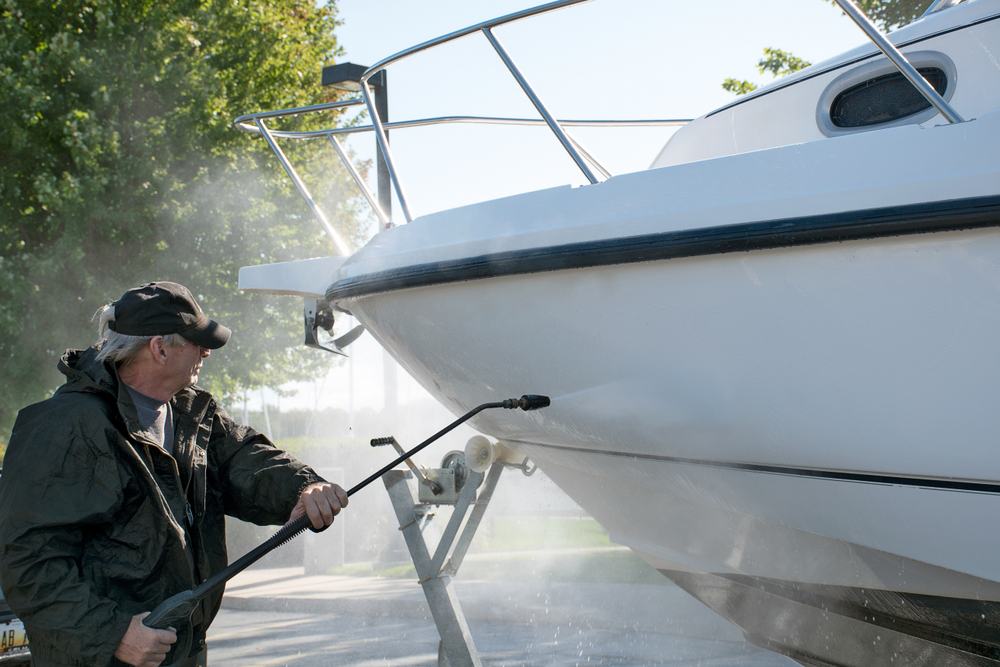
Boat maintenance goes beyond the motor. The hull, electrical system, and onboard components all contribute to how your boat performs on the water. Keeping the hull clean helps improve fuel efficiency and performance. Applying protective coatings like antifouling paint and maintaining the gel coat can help prevent long-term damage. Regular cleaning also makes it easier to spot cracks, leaks, or other issues early.
Electrical system checks are another important part of regular boat maintenance. Inspecting wiring, battery terminals, and connections helps prevent failures that can affect everything from motor startup to onboard electronics. Systems like the bilge pump, steering, and trim should also be tested regularly to ensure smooth operation.
If you own a pontoon, some practical pontoon boat maintenance tips include checking deck fittings, inspecting railings, and monitoring electrical components tied to lighting and accessories. These details often get overlooked but play a big role in keeping everything working properly.
Seasonal Boat Maintenance Tips
Boat maintenance changes with the seasons, and staying ahead of those transitions helps protect your investment throughout the year. A structured approach to yearly boat maintenance makes it easier to stay consistent and avoid missing important steps.
At the start of the boating season, recommissioning your boat includes checking fluids, testing systems, and confirming that all safety equipment is onboard and in working condition. This is also a good time to revisit your annual boat maintenance checklist and make sure everything is ready for regular use.
At the end of the season, winterization becomes essential. This includes preparing the motor, adding fuel stabilizer, protecting the fuel system, and making sure water systems are properly drained. Using a boat cover and storing the boat correctly helps prevent environmental damage during the off-season.
For a more detailed breakdown, these boat winterization tips can help guide you through the process step by step.
Common Maintenance Mistakes Boat Owners Make
Even experienced boat owners run into maintenance issues from time to time. Most problems come down to small habits that don’t seem like a big deal at first but can lead to larger issues later.
Skipping inspections is one of the most common mistakes, especially for new boat owners who are still learning what to look for. It’s easy to assume everything is fine if the boat ran well the last time out. Ignoring early warning signs, like unusual sounds or minor performance changes, can lead to more expensive repairs down the line.
Another common issue is trying to handle complex repairs without the right experience. While many boat maintenance tasks are manageable, some systems require professional attention. Waiting until something fails instead of addressing it early is another pattern that leads to unnecessary downtime. Learning these lessons is part of boat ownership, but being aware of them early helps you avoid frustration and keeps your boat running more consistently.
Maintenance Reduces Risk, But Doesn’t Eliminate It
Following consistent boat maintenance tips is one of the best ways to reduce risk on the water. Regular boat maintenance, inspections, and seasonal preparation all contribute to smoother operation and fewer surprises. Even so, breakdowns can still happen.
Mechanical and electrical systems wear over time. Exposure to water, vibration, and environmental conditions adds up, even with proper maintenance. Components like pumps, motors, and wiring can fail simply due to age and use. Experienced boat owners understand that maintenance is only part of the equation. They maintain consistency, follow an annual boat maintenance routine, and plan for unexpected repairs.
While maintenance helps prevent issues, LAUNCH Boat Protection focuses on what happens when something still breaks down. It’s designed to work alongside your regular maintenance routine, helping cover mechanical and electrical problems that maintenance alone can’t always prevent.
If you’re already putting in the effort to keep your boat in good condition, adding that extra layer can help make ownership feel more manageable over time. Take a closer look at how the boat protection plan works and see how it fits into your overall approach to maintaining and using your boat. You can also find more ways to keep your boat at its best with the comprehensive boat maintenance guide from New York Sea Grant.
At the end of the day, the goal is simple. Spend more time on the water and less time dealing with interruptions. Regular boat maintenance gets you most of the way there, and planning helps keep everything moving when it matters most.
Typical Annual Boat Maintenance Costs
While costs vary by boat size, age, and usage, many owners can expect expenses such as:
- Oil & filter service: $100-$400
- Impeller replacement: $150-$600
- Battery replacement: $100-$400 per battery
- Winterization: $200-$800
- Trailer maintenance: $100-$1,000+
Staying ahead of routine maintenance is often less expensive than dealing with major repairs after a breakdown.