
Why Won’t My Boat Start? Common Causes and Troubleshooting Tips
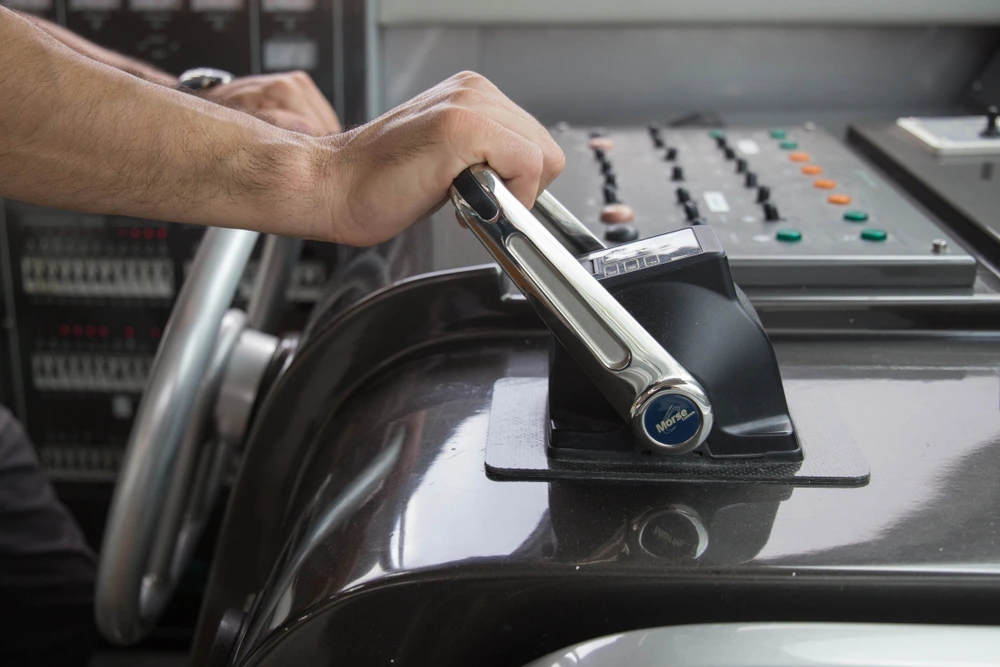
The cooler is packed, everyone is on board, and you're ready to get moving. Then you turn the key and nothing. Maybe you hear a click, or the boat motor turns over but refuses to start.
If you're wondering, “Why won't my boat start?” pay attention to what happens when you turn the key. That first symptom can tell you where to begin and help you rule out some common problems before assuming a major breakdown or repair is ahead.
Boat Won't Start? Check These Things First
Before reaching for the tools, run through the basics. A boat that won't start sometimes has a surprisingly simple explanation:
- Make sure the battery switch is on and in the correct position.
- Check that the emergency cutoff or kill switch and lanyard are connected.
- Move the gear selector completely into neutral.
- Confirm there is fuel in the tank and that the correct tank is selected, if applicable.
- Make sure the fuel tank vent is open.
- Squeeze the primer bulb (if your boat has one) and see whether it becomes firm.
- Follow the recommended starting procedure for your boat motor.
If you're already on the water, secure the boat before troubleshooting. Anchor when appropriate to avoid drifting toward hazards. Resist the temptation to keep turning the key. Repeated cranking can drain the battery without getting you any closer to the cause.
Why Won't My Boat Start When I Turn the Key?
How the boat responds can quickly narrow things down:
- Nothing happens: Start with the battery, battery switch, fuses, connections, kill switch, ignition switch, and neutral safety system.
- Rapid clicking: A weak battery or insufficient power reaching the starter may be responsible.
- One click: Check the battery connections, starter circuit, solenoid, and starter.
- Slow cranking: Look at the battery, cables, grounds, and starter.
- Cranks normally but won't start: Fuel delivery, flooding, spark plugs, or ignition become more likely suspects.
Check the Boat Battery and Electrical Connections
Battery trouble is one of the first things to investigate when your boat motor won't start. A fully charged conventional 12-volt lead-acid battery commonly measures around 12.6 volts at rest. A good voltage reading doesn't necessarily mean the battery has enough cranking power to start the motor. Inspect the terminals, battery cables, and grounds for corrosion, loose connections, or damage. Check the battery switch, main fuse, and applicable breakers too.
Don't let working electronics fool you. Your lights, stereo, and fish finder require much less power than the starter. Accessories such as livewell pumps and audio systems can also leave the starting battery short on power after a long day. If the battery repeatedly loses its charge, the charging system or charger may be the real issue. Regular boat maintenance can help catch these problems before departure.
Boat Motor Cranks but Won't Start? Check the Fuel System
When the boat cranks but won't start, the starting system may be doing its job while the motor isn't getting the fuel it needs. Check the tank vent, tank selector, primer bulb, fuel-line connections, and visible hoses. Look for leaks, kinks, loose fittings, or other restrictions. A primer bulb that won't firm up can point toward a fuel-delivery problem.
Fuel hoses can also deteriorate internally, restricting flow without obvious damage on the outside. Depending on your setup, check the fuel filter or fuel/water separator as well. Don't overlook what's in the tank. Stale or contaminated fuel can cause starting problems, particularly after the boat has been sitting for an extended period.
Could the Boat Motor Be Flooded or Have an Ignition Problem?
Repeated starting attempts can sometimes flood the motor. Instead of continuing to crank it, check the manufacturer's recommended starting procedure. A persistent or unexpected fuel smell deserves more attention. Don't assume it's simply a flooded motor if a fuel leak could be present.
Once basic fuel-delivery problems have been ruled out, inspect accessible spark plugs for obvious fouling, wear, damage, or an improper gap based on manufacturer specifications. More complicated ignition problems are generally better left to a marine technician.
Why Your Boat Won't Start Even with a Good Battery
A charged battery doesn't guarantee that power is reaching the starter. If your boat won't start with a good battery, check the connections between the battery and starter. Corroded terminals, loose cables, poor grounds, blown fuses, a faulty battery switch, or damaged starter connections can interrupt the circuit.
The battery also isn't the only component involved in starting. The emergency cutoff switch, neutral safety switch, ignition switch, starter solenoid, or starter itself may be responsible.
When a Boat That Won't Start Needs Professional Repair
There comes a point when troubleshooting should end, and professional diagnosis should begin. Stop if you notice smoke, overheating, damaged wiring, visible fuel leakage, or a persistent fuel odor. If you've checked the basic electrical system, fuel supply, starting procedure, and safety interlocks without finding the problem, contact a qualified marine technician.
Before heading to the shop, make a note of what happens when you turn the key and what you've already checked. Telling the technician that the motor “clicks once” or “cranks normally but won't start” is much more useful than simply saying it doesn't work.
Help Prevent Boat Starting Problems Between Outings
A little routine upkeep can reduce the chances of another no-start day. Keep battery terminals clean, monitor battery condition, inspect fuel lines and filters, and avoid repeatedly deep-discharging the starting battery.
Keep fuel fresh and follow the boat motor manufacturer's recommendations for seasonal storage. A basic tool kit, multimeter, and troubleshooting checklist are also worth keeping on board.
Keep Your Next Boating Day Moving
When your boat won't start, start simple. Check the switches and controls, note what happens when you turn the key, and work through the battery, electrical system, fuel delivery, and ignition from there.
A no-start problem may turn out to be something simple, or it may lead to a larger mechanical or electrical repair. LAUNCH Boat Protection helps recreational boat owners prepare for certain covered breakdowns with flexible monthly or annual enrollment, the freedom to choose a preferred repair facility, and a straightforward reimbursement process.