
First-Time Boat Owner Guide: What to Know Before You Buy and Boat
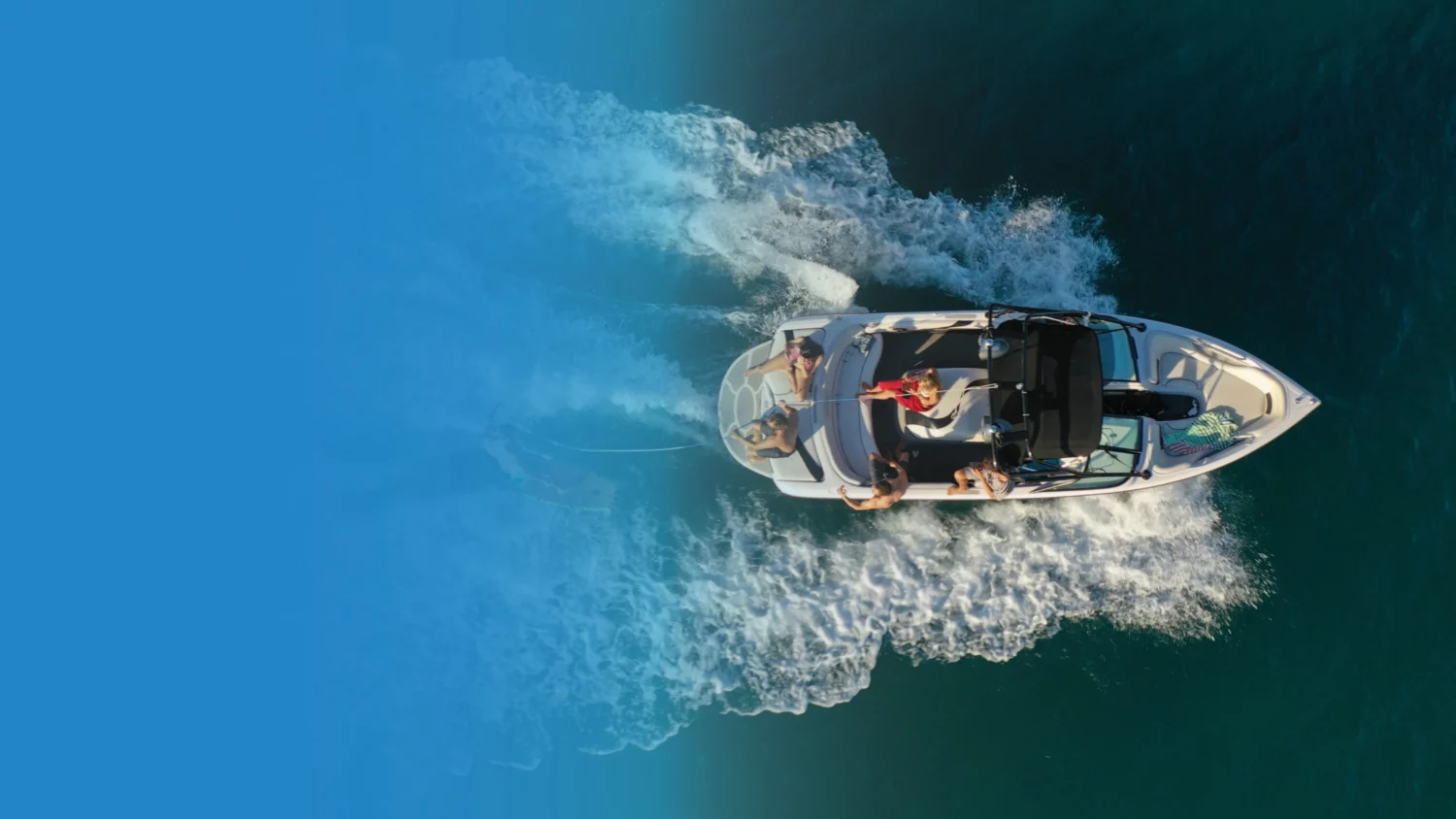
Buying your first boat is exciting. Most people imagine warm afternoons on the water, early morning fishing trips, or cruising the lake with family and friends. For many people, buying their first boat becomes the start of years of outdoor recreation and memorable experiences.
At the same time, new boat owners quickly learn that boating involves more than simply turning the key and heading out. Boats require preparation, planning, and routine care. Understanding how to operate the boat safely, maintain equipment, and plan outings becomes part of the ownership experience.
This first-time boat owner guide helps set realistic expectations for people entering boating for the first time. With the right preparation and a few practical habits, the learning curve becomes manageable, and the rewards of boat ownership quickly take center stage.
What to Expect as a First-Time Boat Owner
Owning a boat is incredibly rewarding, but it does involve a learning curve. Many new boat owners are surprised by how much preparation goes into each outing. Before leaving the dock, owners often check fuel levels, review weather conditions, verify safety equipment, and make sure the motor and electrical systems are operating properly.
These routines quickly become second nature. Boating encourages owners to learn new skills such as navigation basics, safe boat handling, and waterway rules. Each outing builds familiarity with the boat and increases confidence on the water.
Many people researching what do I need to own a boat discover that preparation plays a major role in keeping boating enjoyable. Learning the basics early helps avoid unnecessary frustration later. With realistic expectations and a willingness to learn, most first-time boat owners discover that boating becomes easier and more enjoyable with every trip.
Choosing the Right Boat for Your Needs
One of the most important decisions when buying your first boat is choosing a model that fits how you plan to use it. Many first-time buyers initially focus on size or horsepower, but the best boat is usually the one that supports your activities on the water.
Several types of boats are commonly recommended for beginners because they are versatile and relatively easy to operate:
- pontoons
- bass boats
- family runabouts
Pontoons are popular for relaxed cruising and family gatherings on the water. Bass boats are designed for anglers who want maneuverability and specialized fishing features. Family runabouts offer flexibility for swimming, cruising, and light watersports.
New boat owners should also consider whether to purchase a new or used boat. New boats typically offer the latest technology and fewer immediate maintenance concerns. Used boats are often more affordable and widely available, making them a practical entry point for many beginners.
Avoiding overbuying is one of the most helpful first-time boat owner tips. A boat that matches your lifestyle will provide a much better experience than one that is larger or more complex than necessary.
Essential Safety, Licensing, and Education Basics
Safety education is one of the most important parts of responsible boat ownership. Many states require first-time operators to complete boating education courses or obtain a boating safety certificate before operating certain vessels.
Regulations vary by state, which is why reviewing local requirements is important. The U.S. Coast Guard provides a helpful overview of state boating laws and education requirements across the country.
In addition to licensing rules, every boat should carry essential safety equipment. Basic gear typically includes life jackets for each passenger, navigation lights, sound signaling devices, and fire extinguishers.
Understanding boating rules and safety procedures builds confidence for new boat owners. Education programs also teach navigation basics, weather awareness, and responsible boating habits that help keep everyone safe on the water.
First-Time Boat Owner Checklist
A simple checklist can make boat ownership much easier, especially during the first season. Many first-time boat owners rely on a first-time boat owner checklist to stay organized and avoid forgetting important steps.
Before you buy
- Confirm the boat type fits how you plan to use it
- Set a realistic ownership budget
- Understand storage and transportation needs
Before your first trip
- Complete the required boating education or licensing
- Register the boat and carry the necessary documentation
- Verify that all safety equipment is onboard and working
Before every outing
- Check fuel levels and fluids
- Inspect the motor and electrical systems
- Test lights, bilge pumps, and steering
- Review weather and water conditions
Ongoing ownership
- Follow routine maintenance schedules
- Keep a basic onboard tool kit
- Plan for seasonal storage or winterization
- Budget for maintenance and unexpected repairs
A structured checklist allows first-time boat owners to focus more on enjoying their time on the water instead of worrying about missing important preparation steps.
Understanding the Real Costs of Boat Ownership
Many new boat owners initially focus on the purchase price of the boat. However, the overall cost of ownership includes several ongoing expenses that should be planned for early. Fuel, storage, maintenance, and occasional repairs all contribute to the long-term cost of owning a boat. Some owners also encounter seasonal expenses such as winterization or storage adjustments, depending on their location.
Planning for these costs helps avoid surprises later. Exact expenses vary depending on boat size, age, and how often it is used, which is why planning matters more than calculating exact numbers. One of the most practical first-time boat owner tips is to create a simple budget that includes routine maintenance and occasional repairs. This approach makes ownership more predictable and helps keep boating enjoyable.
Basic Maintenance Every New Boat Owner Should Know
Routine maintenance is one of the most important habits for new boat owners to develop. Boats operate in environments that naturally create wear on mechanical and electrical systems, so preventative care becomes an important part of responsible ownership.
Simple habits such as regular inspections, cleaning the boat after use, and following manufacturer service schedules can help prevent small issues from becoming larger repairs. Seasonal maintenance may also include winterization and system inspections, depending on where the boat is stored.
Addressing small issues early often saves time and money later. A well-maintained boat typically performs more reliably and requires fewer unexpected repairs. Maintenance is simply part of owning a boat. Once these routines become familiar, they fit naturally into the boating lifestyle.
Common Mistakes First-Time Boat Owners Make
Every new boat owner learns a few lessons during the first season. Some of the most common mistakes involve preparation and expectations. Skipping boating education is one example. Learning navigation rules, safe operating speeds, and weather awareness helps prevent unnecessary problems. Underestimating maintenance responsibilities is another common oversight for new boat owners.
Another lesson many people discover is that boats occasionally require repairs or downtime. Mechanical systems experience wear over time, and planning for that reality helps keep expectations realistic. These experiences are part of the learning process. Most experienced boaters remember their first season as the time when everything began to make sense.
How to Enjoy Boat Ownership with Fewer Disruptions
Experienced boat owners often say that preparation is the key to enjoying more time on the water. Routine maintenance, safety planning, and budgeting for repairs all help keep boating experiences focused on fun rather than unexpected interruptions.
Planning allows owners to handle the responsibilities of ownership while still enjoying the freedom that comes with boating. Simple habits such as using a first-time boat owner checklist, monitoring maintenance schedules, and preparing for seasonal changes can make a significant difference.
Many recreational boat owners also explore options designed to help manage unexpected mechanical breakdowns. Our boat protection plan focuses on mechanical and electrical failures that can occur during normal use. With preparation and the right support systems in place, first-time boat owners can spend more time enjoying the water and less time worrying about disruptions.
FAQs
Is boating difficult for first-time boat owners?
Boating is not difficult, but it does involve a learning curve. Most first-time boat owners need time to become comfortable with navigation rules, boat operation, and maintenance routines. With preparation and experience, boating becomes easier and more enjoyable with every outing.
Should a first-time boat owner buy a new or used boat?
Both options can work well. New boats often require fewer immediate repairs, while used boats are typically more affordable and widely available. The right choice depends on budget, intended use, and comfort with maintenance responsibilities.
How much maintenance does a boat typically need?
All boats require regular maintenance, including inspections, cleaning, and seasonal servicing. Routine upkeep helps prevent small issues from turning into larger problems and helps keep the boat running reliably.
What are the most common unexpected costs of boat ownership?
Unexpected costs may include mechanical repairs, replacement parts, storage adjustments, and seasonal maintenance. These expenses vary depending on boat type, age, and how often it is used.
How can new boat owners prepare for breakdowns or repairs?
Preparation starts with regular maintenance, budgeting for repairs, and understanding what insurance does and does not cover. Many experienced boat owners also explore protection options designed to help manage unexpected breakdowns so they can focus on enjoying time on the water.