
What Is an Aftermarket Boat Warranty?
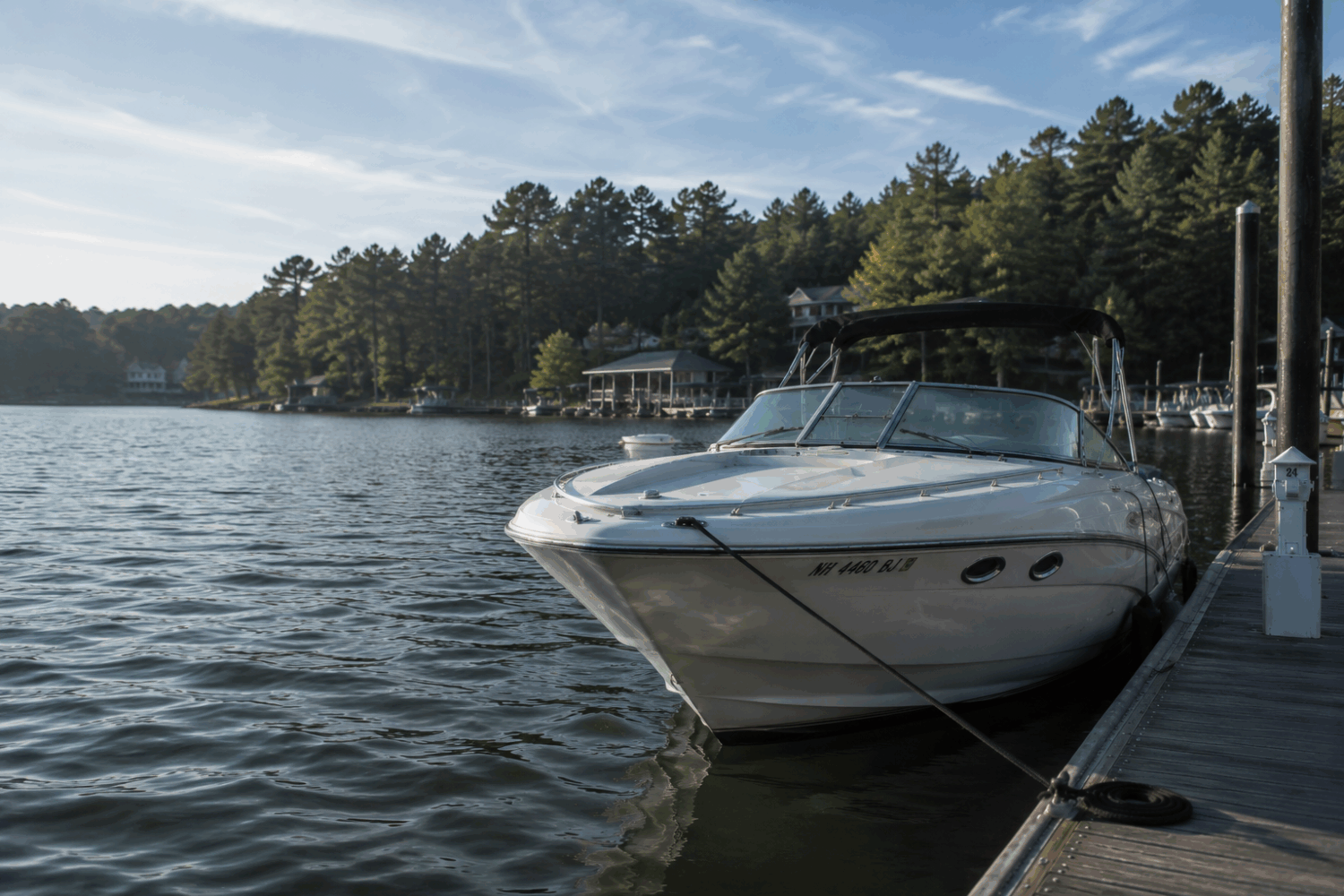
A day on the water should be about catching fish, enjoying the sunshine, or making memories with family and friends. Unfortunately, mechanical problems don't always wait until you're back at the dock.
An aftermarket boat warranty helps cover certain repair expenses when eligible mechanical or electrical components break down. These optional service contracts, sometimes called extended boat warranties or boat protection plans, provide additional coverage beyond what a manufacturer may offer.
Unlike boat insurance, which generally addresses accidents, theft, and other covered events, aftermarket protection focuses on qualifying equipment failures. Understanding how these plans work can help you decide whether additional coverage makes sense for your boat.
How Does an Aftermarket Boat Warranty Work?
Most aftermarket boat warranties begin with an enrollment process. Providers review factors such as boat age, motor type, condition, and intended use to determine eligibility. Some plans cover newer vessels, while others accept qualifying pre-owned boats.
Once enrolled, your contract establishes the coverage period, waiting periods, covered components, and claims requirements. Protection doesn't necessarily begin immediately, so reviewing these details matters.
When something breaks, the typical process involves:
- Diagnosis: Have a qualified marine technician identify the problem.
- Authorization: Contact the provider before repairs if your contract requires approval.
- Repairs: Complete eligible work at an approved or qualifying service facility.
- Payment: Submit required documentation for reimbursement or have the provider pay the facility directly.
Procedures vary, making it important to understand your responsibilities before scheduling repairs.
What Do Aftermarket Boat Warranties Typically Cover?
Coverage depends on the provider and contract. Some plans focus exclusively on the motor, while broader aftermarket boat warranties include additional mechanical systems and electronics.
Motor and Propulsion Components
Eligible components may include powerheads, lower units, fuel delivery systems, cooling systems, and certain internal motor parts. Coverage can differ between outboard, inboard, and sterndrive configurations.
Electrical Systems and Marine Electronics
Depending on the agreement, protection may extend to ignition components, charging systems, wiring, sensors, gauges, and navigation displays. Not every electronics package qualifies, so check the covered equipment list.
Mechanical Systems and Accessories
Steering components, pumps, trim and tilt mechanisms, and related controls may also qualify. A bass boat loaded with fishing electronics has different equipment needs than a family pontoon, making component-specific coverage especially important.
Most plans exclude routine maintenance, consumables, normal wear items, and accidental damage. Corrosion-related failures may also be excluded. Deductibles and reimbursement limits can further affect what an owner pays.
Aftermarket Boat Warranty vs. Manufacturer Warranty
Manufacturer warranties generally address defects in materials or workmanship during a specified period. They're commonly included with new equipment and operate under the manufacturer's terms.
An aftermarket boat warranty is purchased separately and may cover specified mechanical breakdowns under a different agreement. Depending on the provider, protection can begin while factory coverage remains active or become useful after that coverage expires.
Repair requirements also differ. Factory warranties may direct owners toward authorized dealerships, while aftermarket contracts establish their own service facility rules.
For used boat owners, aftermarket coverage can be particularly appealing when the original manufacturer's warranty has ended. Eligibility still depends on the boat and provider.
How Much Does an Aftermarket Boat Warranty Cost?
There's no universal price for aftermarket boat warranties. Costs depend on factors such as vessel age, motor configuration, equipment, coverage level, and contract duration.
Some providers charge upfront for multiyear protection. Others offer monthly payments that may be easier to accommodate within a boating budget. The advertised price tells only part of the story. Compare deductibles, claim limits, covered labor, and any additional fees. A cheaper contract isn't necessarily a better deal if it excludes the components you're most concerned about.
Is an Aftermarket Boat Warranty Worth It?
That depends on your boat and how you use it. An older recreational boat with several electrical accessories presents different considerations than a newer model with substantial factory coverage remaining. Maintenance history, equipment complexity, and boating frequency also influence the decision. Think about whether an unexpected qualifying repair would disrupt your budget. Then compare that possibility with the cost and limitations of available protection.
An aftermarket boat warranty won't cover every problem, and buying one doesn't guarantee you'll recover its purchase price. However, the right agreement can help make certain repair expenses more manageable. Before enrolling, check whether existing manufacturer or dealer coverage already addresses your primary concerns.
What to Look for When Comparing Aftermarket Boat Warranties
A little homework now can prevent surprises when your boat needs attention. Start with the covered-component schedule rather than the promotional highlights. Confirm whether your specific motor, electronics, and mechanical equipment qualify.
Next, review waiting periods, exclusions, deductibles, and reimbursement limits. Ask whether repairs require advance authorization and whether you can choose your preferred marine technician.
Maintenance responsibilities deserve attention, too. Following manufacturer-recommended service intervals and retaining receipts can help document your boat's condition if a claim arises.
Finally, understand how approved repairs are paid. Direct payment and owner reimbursement involve different steps, particularly when a substantial repair bill arrives.
How LAUNCH Offers an Alternative to Traditional Aftermarket Boat Warranties
LAUNCH Boat Protection takes a straightforward approach to mechanical and electrical breakdown coverage for eligible recreational boats. For $39 per month, qualifying owners can access protection without an enrollment inspection. Annual payment options are also available. LAUNCH offers protection for eligible recreational boats of any length, with enrollment available for qualifying boats 20 years old or newer.
When an eligible component fails, you can visit a trusted marine service center, pay for repairs, and submit documentation for cash reimbursement on approved claims. Coverage limits, exclusions, and waiting periods apply, including a 45-day waiting period for most major components.
LAUNCH isn't traditional insurance or a manufacturer's warranty. It's a practical option for boat owners looking to address eligible breakdown expenses. Explore the LAUNCH Boat Protection Plan for coverage details.
Explore Aftermarket Boat Protection With LAUNCH
The right protection should fit your boat, your equipment, and your budget. Compare the details, understand the claims process, and know what's covered before committing. Ready to spend more time planning your next outing and less time wondering about repair costs? Explore LAUNCH enrollment and see whether your boat qualifies.